For those who embrace the sleek, confident look of a bald or closely-shaven head, the Electric Head Shaver has truly become a game-changer. Gone are the days of tedious, nick-prone manual razor shaves; today’s advanced devices offer a blend of speed, comfort, and precision that makes maintaining a smooth dome an absolute breeze. As a grooming specialist with over 15 years in the field and content creator for kpcuk.com, I’ve seen firsthand how the right electric head shaver can transform your routine, delivering consistently impeccable results. This comprehensive guide will walk you through everything you need to know, from selecting your ideal shaver to mastering the technique and keeping your device in pristine condition.
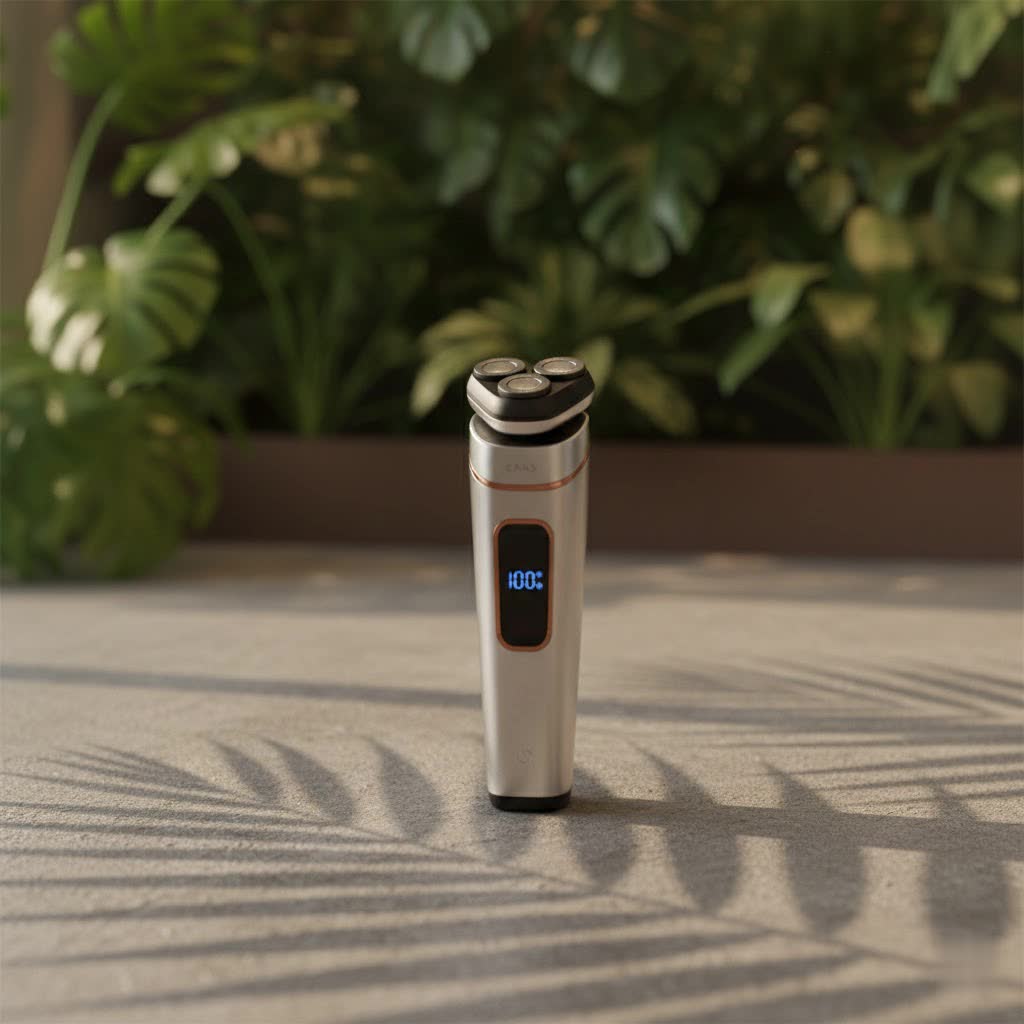
Why Choose an Electric Head Shaver?
You might be wondering, “What are the real benefits of using an electric head shaver over a traditional razor?” It’s a fair question, and the answer often boils down to a few key advantages that enhance your shaving experience significantly.
Electric head shavers offer unparalleled convenience and speed. Imagine achieving a smooth shave in just a few minutes, often without the need for water or shaving cream. This makes them perfect for busy mornings or quick touch-ups. They are also generally much safer, significantly reducing the risk of nicks, cuts, and razor burn that can plague traditional wet shaving, especially on the contours of your head. For many, an electric head shaver means less irritation and a more comfortable experience overall.
Electric Head Shaver vs. Traditional Razor: Which is Better?
|
Our Picks for the Best Electric Shaver in 2026
As an Amazon Associate I earn from qualifying purchases.
|
||
| Num | Product | Action |
|---|---|---|
| 1 | Philips Norelco Shaver 3600 Series, Wet and Dry Electric Shaver, P-Cap, Travel Pouch, Storm Blue, Model S3243/91 |

|
| 2 | Philips Norelco Shaver i9000 Prestige Ultra, Wet & Dry Electric Shaver, Dark Slate, SenseIQ Pro Technology, Triple Lift & Cut System, 360 Rotating NanoTech Precision Blades, Quick Clean Pod, XP9402/86 |
|
| 3 | Electric Foil Shavers for Men: Mini Electric Razor with 3 Floating Blades, IPX7 Waterproof & USB-C Fast Charge Cordless Foil Shaver for Men with Travel Lock, Grooming Gift for Home & Travel |
|
| 4 | Philips Norelco Shaver 2400 Series, Wet and Dry Electric Shaver, Pop-up Trimmer, P-Cap, Deep Black, Model X3001/90 |
|
| 5 | Tulzim Electric Foil Shaver for Men: Portable Electric Razor for Beard/Face - 3 Floating Blade LED Display USB-C Fast Rechargeable - IPX7 Waterproof for Travel & Home, Charcoal Black |
|
| 6 | Braun Electric Series 3 Razor with Precision Trimmer, Rechargeable, Wet & Dry Foil Shaver for Men, Blue/Black, 4 Piece |
|
| 7 | Norelco Philips OneBlade 360 Hybrid Face, Electric Beard Trimmer and Shaver, with 360 Blade Technology, 1x 360 Blade for Face, 5in1 Adjustable Comb, Model QP2724/90 |
|
| 8 | Philips Norelco Shaver 3900 Series, Wet and Dry Electric Shaver, P-Cap, Travel Pouch, Charging Stand, Storm Blue, Model S3341/92 |
|
| 9 | Philips Norelco All-in-One 3000 Series 13 in 1 Trimmer, Beard Styler & Men\'s Hair Clipper, 9 Length Settings & Self-Sharpening Skin-Friendly Blades, MG3919/50 |
|
| 10 | Beanify 2 in 1 Nose and Ear Hair Trimmer with LED Display, Rechargeable Electric Nasal Hair Clipper for Men & Women, Eyebrow & Facial Hair Removal with Dual-Edge Blades, Easy to Clean |
|
When it comes to deciding between an electric head shaver and a traditional razor, it’s not a one-size-fits-all answer. Each has its merits, but for consistent head shaving, the electric option often takes the lead.
Traditional razors typically offer the closest possible shave, cutting hair directly at the skin’s surface. However, they demand more time, precision, and can leave your scalp prone to irritation, ingrown hairs, and painful cuts if not handled with extreme care. They also require fresh blades regularly, which adds to the ongoing cost and effort.
Electric head shavers, on the other hand, prioritize safety and efficiency. While the shave might be a fraction less close than a brand-new razor blade, the difference is often negligible, and the trade-off for speed, comfort, and reduced irritation is well worth it for daily or every-other-day shavers. Modern electric shavers are designed to glide over your scalp’s unique curves, minimizing friction and delivering a surprisingly smooth finish without the drama.
Key Features to Look for in Your Next Electric Head Shaver
Choosing the perfect electric head shaver can feel daunting with so many options available. But by focusing on a few critical features, you can narrow down your choices and find a device that truly meets your needs.
Blade Quality and Design
The heart of any great shaver lies in its blades. When it comes to head shavers, you’ll primarily encounter two types: rotary and foil.
- Rotary Shavers: These are typically equipped with multiple circular, independently flexing heads (often 5 or 7) that pivot and contour to the shape of your head. They excel at tackling slightly longer stubble and navigating the curves of your scalp with ease, making them a popular choice for dedicated head shaving. Many top models, like the Skull Shaver Pitbull series, utilize this design.
- Foil Shavers: Comprising oscillating blades beneath a thin, perforated metal foil, these shavers are excellent for very short stubble and sensitive skin, often providing a slightly closer shave on flatter areas. While some prefer them for their head, they generally require shorter hair to begin with and may not conform as easily to all head contours as rotary models.
Look for high-quality stainless steel or hypoallergenic blades, which offer durability and reduce the likelihood of skin irritation. Some advanced models even feature self-sharpening blades or titanium coatings for enhanced performance and longevity.
Battery Life and Charging
Nothing’s worse than an electric head shaver dying mid-shave! Adequate battery life is crucial, especially for cordless convenience. Most good quality head shavers offer a runtime of 60 to 90 minutes on a single charge, which is typically enough for multiple shaves.
Consider models with quick-charge capabilities for those times you forget to charge, and a clear battery indicator is always a plus. USB charging is also a convenient feature, especially for travel.
Wet/Dry Functionality
Many modern electric head shavers boast wet/dry capabilities, allowing you to use them in the shower, with shaving cream or gel, or for a quick dry shave.
- Wet Shaving: Using your shaver with water, foam, or gel can provide extra lubrication, reduce friction, and enhance comfort, particularly for sensitive skin. It also simplifies cleanup.
- Dry Shaving: Ideal for speed and convenience, dry shaving is perfect for touch-ups or when you’re short on time.
Ensure your chosen shaver is 100% waterproof if you plan on wet shaving or rinsing it under the tap for cleaning.
Ergonomics and Grip
A good grip can make all the difference, especially when maneuvering around the back of your head. An ergonomically designed handle that fits comfortably in your palm, often with a non-slip finish, provides maximum control and prevents slips, ensuring a safer and more precise shave. Look for designs that feel balanced and natural in your hand.
Ease of Cleaning
Maintaining hygiene is paramount for any grooming tool. Many electric head shavers are designed for easy cleaning, often featuring washable heads that can be rinsed under running water. Some even include hair capture chambers to minimize mess or come with sophisticated cleaning stations that automatically clean, lubricate, and dry the shaver at the touch of a button.
Step-by-Step: How to Use Your Electric Head Shaver for a Flawless Finish
Getting that perfectly smooth, irritation-free head shave with an electric head shaver is all about technique and preparation. Here’s my expert guide to achieving a flawless finish every time.
Pre-Shave Preparation
Proper preparation is the secret to a comfortable and close shave.
- Trim Longer Hair: If your hair is longer than a few millimeters (typically 4mm or more for rotary shavers), always trim it down first with clippers or a dedicated trimmer. Trying to shave longer hair with an electric head shaver can pull, snag, and clog the blades, leading to discomfort and an uneven result.
- Cleanse and Soften: Take a warm shower or apply a warm, damp towel to your head for a few minutes. This softens the hair and opens up your pores, making the hair easier to cut and reducing the force needed, thus minimizing irritation.
- Apply Pre-Shave (Optional for Wet Shave): If you’re opting for a wet shave, apply a thin layer of pre-shave oil or shaving gel. This provides extra lubrication, allowing the shaver to glide more smoothly across your scalp.
The Shaving Technique
Now for the main event! The way you move your electric head shaver makes a big difference.
- Small, Circular Motions: For most rotary head shavers, the optimal technique involves moving the device in small, overlapping circular motions. This ensures that the blades capture hairs growing in different directions for an even shave.
- Gentle Pressure is Key: Let the shaver do the work. Avoid pressing too hard, as this won’t get you a closer shave and can lead to skin irritation, razor burn, and unnecessary wear on the blades.
- Work Methodically: Start from an area you’re comfortable with, like the top or front of your head, and work your way around. Many find it helpful to start at the back and work forward, ensuring you get an even shave across all sections. Use a 360° mirror for those hard-to-see spots.
- Rinse During Shave (Wet Shave): If you’re wet shaving, occasionally rinse the shaver head under running water to clear away accumulated hair and shaving cream, preventing clogging and maintaining optimal performance.
Post-Shave Care
Don’t skip these crucial steps after shaving!
- Rinse with Cold Water: Once you’re satisfied with your shave, rinse your head with cold water. This helps to close your pores, soothe the skin, and remove any remaining hair or product residue.
- Moisturize: Apply a quality aftershave balm or a fragrance-free moisturizer specifically designed for the scalp. This will hydrate your skin, prevent dryness, and further soothe any potential irritation, leaving your head feeling smooth and refreshed.
Keeping Your Electric Head Shaver in Top Condition: Maintenance & Cleaning Tips
To ensure your electric head shaver performs optimally and lasts for years, regular cleaning and maintenance are non-negotiable. Think of it as an investment in a consistently great shave.
Daily Quick Clean
A quick clean after every shave is essential to prevent hair and product buildup.
- Rinse Under Running Water: If your shaver is waterproof, simply detach the shaving head and rinse it thoroughly under warm running water while the shaver is briefly turned on (or according to manufacturer instructions). This flushes out most of the loose hairs and residue.
- Brush Away Debris: For non-waterproof shavers or to get rid of any stubborn dry hairs, use the small cleaning brush that came with your shaver to brush away hair from the blades and internal components.
Weekly Deep Clean
A deeper clean once a week will help maintain peak performance and hygiene.
- Disassemble Shaving Heads: Carefully remove the individual shaving heads or the cutting block assembly (consult your user manual for specific instructions, as this varies by model).
- Soak and Clean: For a thorough clean, you can soak the detached blades and combs in a solution of warm water and a mild liquid soap or a specialized shaver cleaning solution for 10-15 minutes. This helps to dissolve stubborn oils, dead skin, and product residue.
- Rinse and Air Dry: After soaking, rinse all components thoroughly under running water until no residue remains. Shake off excess water and allow all parts to air dry completely before reassembling your shaver. This prevents moisture-related issues and bacterial growth.
- Lubricate (If Recommended): Some manufacturers recommend applying a drop or two of shaver oil to the blades after cleaning and drying, especially for foil shavers, to maintain smooth operation and extend blade life. Check your manual.
When to Replace Blades
Even with the best cleaning regimen, blades will eventually dull. Signs it’s time for a replacement include:
- Pulling or Tugging: If your shaver starts to pull at hairs instead of cutting them smoothly, the blades are likely dull.
- Increased Irritation: More redness or bumps after shaving can indicate worn blades.
- Reduced Effectiveness: If you find yourself having to go over the same spot multiple times for a clean shave, new blades are probably in order.
Manufacturers typically recommend replacing rotary blades every 6-12 months and foil shaver heads every 12-18 months, but this can vary depending on your hair type and shaving frequency.
Expert Insight: “The Longevity Secret”
“Many people overlook the simple truth: a clean shaver is a long-lasting shaver. Consistent daily rinsing and a weekly deep clean are not just about hygiene; they’re about protecting your investment and ensuring every shave feels as good as the first.”
— Liam Thompson, Head Grooming Specialist at KPCUK
Frequently Asked Questions (FAQ)
Q: Can I use a regular electric shaver on my head?
A: While almost any electric shaver can be used on your head if the hair is short, dedicated electric head shavers are specifically designed with multiple flexing heads (often rotary) and ergonomic grips to better conform to the contours of your scalp, providing a more comfortable, efficient, and closer shave.
Q: How often should I shave my head?
A: The frequency depends on your hair growth rate and desired look. Most bald individuals shave every one to three days to maintain a smooth appearance. Electric head shavers make this frequent upkeep quick and easy.
Q: What if I have sensitive skin?
A: If you have sensitive skin, opt for an electric head shaver with hypoallergenic blades, choose wet shaving with a lubricating gel or cream, and ensure you use light pressure. Regular cleaning and post-shave moisturizing are also crucial to prevent irritation. Foil shavers are often recommended for sensitive skin to minimize contact.
Q: Wet or dry shaving: which is better?
A: Both have benefits. Wet shaving with foam or gel can offer a smoother glide and reduce irritation, especially for sensitive skin. Dry shaving is faster and more convenient. The “better” option often comes down to personal preference and how your skin reacts. Many modern electric head shavers offer both options.
Q: How long do electric head shaver blades last?
A: The lifespan of blades varies by manufacturer and usage, but typically, rotary blades should be replaced every 6-12 months, and foil heads every 12-18 months. You’ll notice they’re dull when the shaver starts pulling at hairs or causing irritation.
Conclusion
Embracing the bald look with an electric head shaver is a journey of comfort, convenience, and confidence. By understanding the key features that make a great shaver, mastering the simple techniques for a perfect shave, and committing to a consistent maintenance routine, you unlock the full potential of these incredible grooming tools. At kpcuk.com, we believe that looking your best should always feel effortless. So, go ahead, choose your ideal electric head shaver, follow these tips, and step out with a perfectly smooth, impeccably groomed head that reflects your refined style. Happy shaving!
